Reinforcing New Competencies: The Intersection of Sex and Sexuality in ABA
An Interview with Nicholas Maio-Aether
A Note From Functionally Speaking ABA
As a freshly certified Behavior Analyst, I was tasked with navigating complex sexual behaviors in my clients. Drawing on my experience as a former RBT exposed to sexual behaviors and my work with adults in sex education, I quickly realized there was a missing link; a gap that left both learners and therapists without the tools they needed to address these needs appropriately.
This gap sparked a passion. I obtained every article I could find, and in the process, I connected with some incredible colleagues in our field. I invited Nicholas to speak on this topic to highlight the importance of access, provide guidance, and inspire BCBAs to engage thoughtfully and competently at the intersection of sex, sexuality, and ABA.
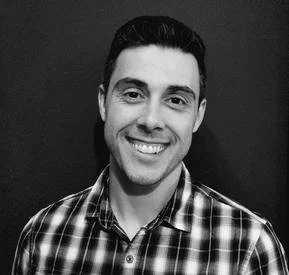
About Nicholas
Nicholas Maio-Aether, MAMFT, MSPSY, LBA, CSC, IBA, BCBA is a Sexual Behavior Analyst and AASECT-certified Sexuality Counselor with over 13,000 hours of experience supporting individuals and couples in developing healthy, affirming relationships with sexuality. He is the co-founder of Empowered: A Center for Sexuality, LLC, a BACB Type 2 CEU provider dedicated to expanding access to high-quality sexuality services for historically underserved populations.
Nicholas is the originator of the field’s only comprehensive Sexual Behavior Analysis (SBA) training program, built specifically for behavior analysts, and created two formal certifications in the discipline: Certified Behavioral Sexologist (CBS) and Certified Behavioral Sexologist – Common & Couple’s Concerns (CBS-C). His work integrates compassionate, human-centered care with behavior analytic practice, particularly for autistic adults navigating dating, intimacy, and sociosexual skill development.
In addition to direct therapeutic work, he serves as a Subject Matter Expert supporting ABA teams through consultation, parent training, staff education, and telehealth services. A dedicated advocate for ethical reform in ABA, Nicholas provides training that directly addresses historical harm in the field and promotes trauma-informed, inclusive practices. He also serves as Bylaws Committee Chair and mentor within AASECT.
His specialties include Sexual Behavior Analysis, couples communication, queer-affirming care, anxiety management, pleasure-based skill building, and ethical practice in behavior analysis.
2. What gaps do you see in our field’s current approach to sexual behavior or sex education?
Most behavior analysts should not be addressing sexuality, gender, puberty, or relationships without proper training in these areas. The idea that we are "scientists of all human behavior" is a gross one; it conflates us with magicians. We are scientists of human behavior, but not ALL human behavior. We learn as we grow, and just as I would never attempt a feeding intervention without proper training, the same should be true for those trying to address sexual or sociosexual behaviors. Even with the best intentions, we may do more harm than good. So, what is missing? It's a combination - training and accountability standards. However, I have developed one heck of a training program, and we now have over 150 behavior analysts learning these competencies and getting their dual certifications as Certified Behavioral Sexologists (CBS)s. We have even developed a method of determining competencies, ongoing, even post-certification, since the journey of learning never really ends.
How did you first become interested in the intersection of sex education and behavior analysis?
I began as a sexuality educator when I was 16, trained by GLSEN to open up GSAs in the high schools across Alaska and Hawaii; later, I became an adult novelty reviewer for Hustler Hollywood, as well as an Assistant Store Manager. People were writing to me, coming in regularly, etc., asking for sexual and relationship advice. I realized then I wanted to be a Sex Therapist; from there, I looked at modalities. ABA spoke to me, especially because it works across populations, and I wanted to be able to help clients with impactful disabilities, same as anyone else. I didn't realize at the time how rare this intersection was or that I would effectively be putting myself on an island for the initial onset of my career - I had no relevant peers doing the work, no one to bounce ideas off of for those first few years. I am glad I am here, though, and have carved out a space for others to come and commune, to learn and grow together, for the benefit of those we serve.
3. What misconceptions do behavior analysts often have when it comes to addressing sex, sexuality, or consent in practice?
There are many. The first misconception that stands out is that sexuality is out of scope -- it doesn't have to be. Again, training is key, and with the right training and supervised experiences, anything that adheres to GETACAB and the Assumptions of Science can be considered behavior-analytic.
The second misconception I often see is the idea that learning a sexuality-aligned skill, such as how to understand/obtain/deny/respect consent, will somehow cause a behavioral cusp that gets referred to as "a can of worms," by which the client will suddenly become hypersexualized due to education.
“Such has never been demonstrated in literature to be true, so acting on this by avoiding sexuality is not rooted in science, but rather bias”.
Such has never been demonstrated in literature to be true, so acting on this by avoiding sexuality is not rooted in science, but rather bias.
The third big misconception I see is that a client's "brain age" is different from their "developmental age," and so sexuality education isn't needed with clients who enjoy child-like activities and have never indicated a desire for sex.
If/when they do indicate this desire, or if/when someone predates upon them, these skills could be very helpful at preventing harm, abuse, trauma, and/or legal trouble.
4. For a novice BCBA, how can they begin learning about this topic responsibly and safely?
Ideally, get your toes wet by listening to relevant podcasts and joining the Sexual Behavior Analysis (SBA) Facebook Group, where most of the subfield does its dissemination; also good is the Sexual Behavior Research and Practice SIG through ABAI, which also has a Facebook Group. If you think you want to do this work but aren't sure, consider attending one of the Sexuality Experiences Evaluation (SEE) events thrown by Empowered: A Center for Sexuality LLC, who also runs the Certified Behavioral Sexologist (CBS) program. The SEE is a 3-day weekend retreat with 10 CEUs centered around self-reflection and ideas of career development in Sexual Behavior Analysis (SBA). If you love it or even simply value it, then consider going all-out for the certification and become a true asset to whatever org or agency you become a part of.
6. Could you describe an example of a successful program or intervention you’ve implemented?
We have successfully treated, using a process called Sensate Focus, everything from vaginismus and inability to produce vaginal lubrication in a neurotypical couple to sensory overload concerns in an Autistic adult, to communication issues between neurodiverse couples exploring polyamory. However, if I were to describe an intervention commonly used that is also likely to resonate with other behavior analysts, I would go with this one. We had a young non-vocal Autistic man who has engaging in public display of solo sexual behavior without the ability to achieve release on his own at home. Using a combination of environmental manipulations, parent training, staff training, Youtube videos, individualized versions of Barney songs, and a very powerful penile stimulator, we were able to achieve ejaculation at home in his room and then train this behavior to remain there. Effective, safe, and private -- an ideal outcome for all.
5. What does continuing education look like in this area, and are there credentialing or specialization pathways you’d recommend?
As the developer of the Certified Behavioral Sexologist (CBS) program, I am obviously going to recommend it -- I developed it to streamline education and supervision around behavior-analytic elements only. I say this as someone who is also an AASECT-Certified Sexuality Counselor (CSC), which is also an appropriate venue for a behavior analyst (counselor doesn't mean psychotherapist in sexology, it means someone who provides specific suggestions within a limited scope, such as behavior analysts). The AASECT path is an incredible one with many benefits and a very large membership; however, it also costs about 4x what the CBS program does and takes longer, while also not focusing on behavior analysis. Many of the courses I took at AASECT to be able to certify were not relevant to practice as a behavior analyst, and it felt like wasted time and money; I developed the CBS program to remedy this and provide behavior analysts with similar standards but a more in-scope and accessible path.

.
7. What systems-level barriers exist (e.g., funding, stigma, policy) that make this work difficult?
Funding is a big issue in working with non-disabled adults or teens with any disability other than Autism. We have pulled out of insurance networks citing discrimination and abuse of the Mental Health Parity ACT, by which insurance should not be allowed to dictate that a service be restricted to a population unless developed solely for that population. We are hopeful that if more ABA providers do this, the field as a whole will stop being pigeon-holed, which is important for those of us who don't service Autistic kids as our primary clientele. Luckily, for adults, we have the state Medicaid waivers, which allow us to work across all ID, DD, and ASD clients within that system. Additionally, we have found that we can do things for private payers, such as sliding scale and balance fundraisers, that make even that feasible for some, such as our neurotypical adults and couples that come to receive SBA interventions.
Policy shifts have made this area increasingly complex. Recent regulations have changed how gender-related information is recorded in federally funded programs. Our team is closely monitoring these developments to ensure our documentation both respects each client’s identity and aligns with current requirements. One consideration has been removing names and pronouns from progress note narratives to maintain privacy and consistency.
8. What motivates you to keep advocating for this area of practice?
I grew up queer and Autistic and not understanding so many things. I had to learn the hard way. I was 15 and sleeping with men in their late twenties through mid-thirties. I was physically assaulted. I was trafficked on my birthday one year. No one should have to go through what I went through; conversely, neither should anyone be denied their rights to have human experiences. Furthermore, as a survivor of reparative therapy (AKA conversion therapy lite), I refuse to see behavioral science be applied in ways that gaslight or coerce a person into engaging in "desired" behaviors by those with power/stakeholders. I even recently dropped out of a conference when I realized this type of behavior was being engaged in and encouraged by the facilitators. It's gross, whether it is being done on the right or left side of the aisle -- let individuals show you their baselines, assume they want the best outcome without assuming what that would be, listen for any indicators of what that would be, and help them get there.

9. What do you wish more people in our field understood about sexuality and quality of life?
Sexuality is just like any other aspect of human existence -- it is intertwined with how we feel about ourselves as people, as community members, as partners, etc. Because of this, denying sexuality is denying an aspect of being human. Even asexual folk express that they have sexuality, just not standard levels of attraction or arousal at the thought of sex. When someone says, "we are all born sexual beings," this is not an effort to normalize children being sexual, although I often hear it conflated as such. Rather, this is to note that sexuality impacts even early childhood crushes, early childhood roleplaying behaviors (boys should be the daddy, son, or dog when we play house, and girls should be the mommy, daughter, or cat). Even in the aforementioned example, boys are tied to dogs and girls to cats -- why? Because of societal impacts dictating what persons of certain genders should like/want/feel. It's from birth. Not all of sexuality or sex education has to do with sex itself.
10. What kinds of career opportunities or professional pathways exist for BCBAs interested in Sexual Behavior Analysis, and how can they get more involved (through training, research, or special interest groups) in advancing this area of practice?
If someone would like to get involved, I would recommend they join the aforementioned Facebook groups, consider attending a SEE retreat to get a quick deep-dive into the subfield, check out AASECT as a potential path (and note, I am an AASECT Mentor, so if you'd like free assistance navigating AASECT, I offer that for their members), and definitely check out the Certified Behavioral Sexologist (CBS) Program! Consider asking around, too -- don't ever take the word of someone who runs a program, get the inside scoop from people who are actually taking it and/or have graduated!
A Note From Functionally Speaking ABA
Access to basic sex education is often restricted, limited, or entirely absent for individuals with disabilities. Too often, interventions focus on “suppressing” or eliminating so-called “inappropriate sexual behaviors” without providing the foundational education that promotes safety, autonomy, meaningful connection, and healthier sexual experiences. This lack of education not only limits quality of life but also increases vulnerability to abuse and criminalization.
If you’re passionate about bridging this gap and expanding access to ethical, informed, and empowering sexuality education, I highly encourage exploring the certification program mentioned above.
To Nicholas,
Thank you so much for contributing to the blog and for sharing your expertise and your work with our community!
A Note to Readers:
Have thoughts or questions to share? Whether you’re a seasoned BCBA, a student navigating the learning curve, or someone simply passionate about ethical, informed practice, I’d love to hear from you! Use the contact form below to connect, share your experiences, or recommend resources or the topic for the next blog post! Let’s grow together : one article, one conversation, one client at a time.
*Disclaimer: The views expressed in this blog are my own (Functionally Speaking ABA) and do not reflect the views of UNMC.
